
Catholic tradition has given the Church a library of spiritual classics, and a newcomer can feel paralysed by the choice. Which one comes first? Is there a proper order? Should everyone start with the same book?
There is no required sequence. The Church does not prescribe a reading list for the spiritual life, and the saints themselves were formed by very different books. The Catechism simply notes that in meditation “we are usually helped by books”: the Scriptures, liturgical texts, “writings of the spiritual fathers, works of spirituality,” and even “the great book of creation.” The best first classic is the one that meets you where you are and that you will actually read slowly and prayerfully.
What follows compares five classics by what they offer. Choose one. You can always read the others later.
Start with what you are seeking
Before choosing, ask yourself a simple question: what do I most need from God right now? Not what would impress others, and not what a more advanced Christian might read, but what your soul is actually asking for.
- If you are seeking conversion and honest self-knowledge, start with the Confessions or The Sinner’s Guide.
- If you want a steady daily practice, start with The Imitation of Christ.
- If you want to learn to pray and to make decisions before God, start with The Spiritual Exercises.
- If you already pray regularly and want to go deeper, start with The Interior Castle.
For conversion and self-knowledge: the Confessions
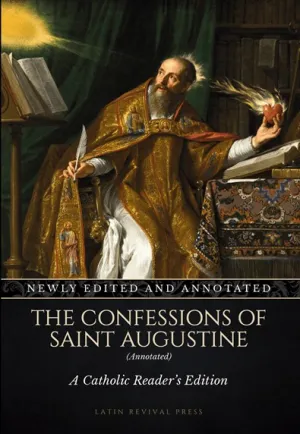
St. Augustine’s Confessions is the story of a restless heart finding rest in God, told as a long prayer addressed to Him. Augustine looks back on ambition, friendship, false teaching, grief and the slow work of grace that led him to baptism.
Choose it if you are drawn by a personal story and by honest questions: Why do I want what I want? Why is it so hard to change? It rewards patience. The first nine books tell the story of his life; the later books turn to memory, time and creation, and many first-time readers save those for a second reading.
A guide to beginning it: How to Read St. Augustine’s Confessions.
For conversion and a renewed life: The Sinner’s Guide
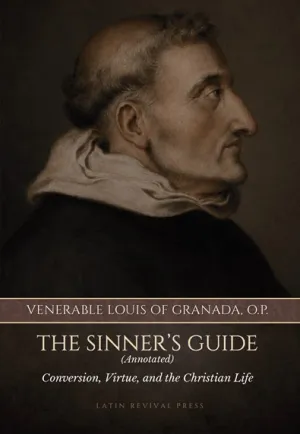
Venerable Louis of Granada’s The Sinner’s Guide is less a story than a sustained exhortation. It sets out the reasons for turning to God, the dignity of grace and the beauty of virtue, and then walks the reader into the practical work of a converted life.
Choose it if you know you need to change and want a clear, encouraging, methodical guide rather than a narrative. It suits Lent, a retreat or preparation for confession, read a short section at a time.
For a steady daily practice: The Imitation of Christ
Thomas à Kempis’s The Imitation of Christ has short chapters that can be read in a few minutes: on humility, detachment, patience, interior peace and love of Christ in the Eucharist. Few books are better suited to building a daily habit of spiritual reading.
Choose it if your prayer life needs regularity more than novelty. One chapter a day, one line remembered, is enough. Our guide How to Read The Imitation of Christ for the First Time suggests a simple first month.
For prayer and discernment: The Spiritual Exercises
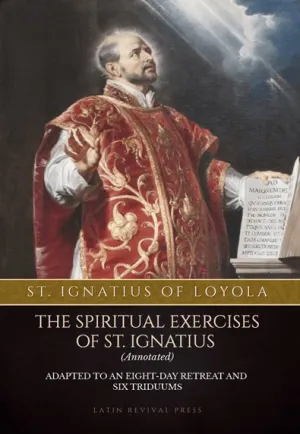
The Spiritual Exercises of St. Ignatius of Loyola is not a book to read straight through for information. It is a structured set of meditations, contemplations and examinations meant to be made, ideally with the help of an experienced director, so that a person can order his or her life toward God and recognise His will.
Choose it if you want to learn to pray with the Gospels, to examine your conscience each day, or to make a serious decision before God. Latin Revival’s edition presents Fr. Charles Coppens, S.J.’s adaptation of the Exercises for an eight-day retreat, which makes the whole movement of the Exercises manageable for a personal retreat. See What Are the Spiritual Exercises of St. Ignatius? before you begin.
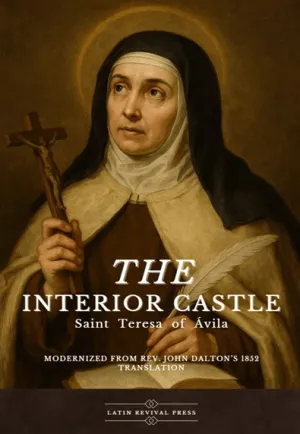
For deeper interior prayer: The Interior Castle
St. Teresa of Ávila’s The Interior Castle pictures the soul as a castle with many dwelling places, with God present at its centre. Its later chapters describe graces of prayer that God gives as He wills, and they can be confusing or discouraging if read as a programme.
Choose it if you already have a regular habit of prayer and want to understand it more deeply, and read it with humility rather than as a checklist of stages. Our guide How to Begin Reading St. Teresa of Ávila’s Interior Castle suggests a careful way in.
A few principles for any first classic
- Begin with Scripture. Spiritual classics are commentaries on the Gospel lived out. Keep the Gospels close, and let the classic send you back to them.
- Read slowly. A few pages a day, read prayerfully, will form you more than a whole book read in a weekend.
- Read within the Church. Bring what you read to confession, to Mass and, if you can, to a priest or spiritual director. Classics written for monks, nuns or Jesuit retreatants need to be applied with prudence to a layperson’s duties.
- Do not judge yourself by the book. If a classic describes graces you have never experienced, that is not a verdict on your soul. Keep praying.
- Finish one before collecting another. It is better to know one classic well than to have started five.
Choosing, in short
If you want one recommendation for most adult beginners, The Imitation of Christ is the gentlest place to build a habit, and the Confessions is the most compelling story. But the right first book is the one that answers your present need. Pick it up, ask the Holy Spirit for light, and read a little today.
Sources and further reading
- Catechism of the Catholic Church, 2705–2708: meditation and its helps
- Second Vatican Council, Dei Verbum, 25: reading Scripture with prayer
- Catholic Encyclopedia: “The Imitation of Christ”
- Catholic Encyclopedia: “Louis of Granada”
Books in this article
Spiritual guidance
The Sinner’s Guide (Annotated): Conversion, Virtue, and the Christian Life
Venerable Louis of Granada, O.P.
Buy buttons open your country’s Amazon store. As an Amazon Associate I earn from qualifying purchases.